The Truth About Trading Psychology: Your Biggest Opponent Isn’t the Market
Victor Kalu
1/16/20261 min read
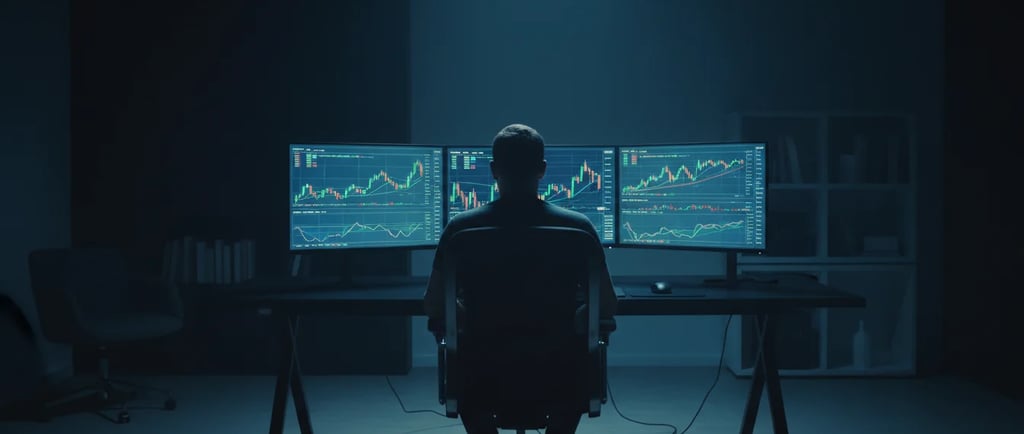
Most traders enter the market believing that success comes from finding the perfect strategy. They obsess over indicators, patterns, and signals, constantly jumping from one system to another. But the uncomfortable truth is this: your strategy is rarely the problem—your psychology is.
The market is not emotional, but you are. And that imbalance is where most traders lose.
Fear and greed are the two dominant forces that silently shape trading decisions. Fear causes you to exit trades too early, cutting winners short before they can reach their full potential. Greed, on the other hand, keeps you in trades too long or pushes you to overleverage, turning small losses into devastating ones.
Then there’s revenge trading—a destructive habit where traders try to “win back” losses immediately. This usually leads to impulsive decisions, poor entries, and even larger losses. The market doesn’t care about your last trade, but your emotions do—and they often sabotage your next one.
Professional traders understand something beginners often ignore: consistency is not built on being right all the time. It’s built on emotional discipline. That means executing your plan regardless of how you feel in the moment.
One of the most powerful tools for improving trading psychology is journaling. By documenting not just your trades but your emotions before, during, and after each position, you begin to notice patterns. Maybe you always overtrade after a loss. Maybe you hesitate after a win. Awareness is the first step to control.
Another key truth is that losses are not failures—they are part of the business. Even the best traders lose regularly. The difference is they don’t attach emotion to those losses. They see them as data, not defeat.
If you want to become consistently profitable, you must shift your focus inward. Stop asking, “What’s the best strategy?” and start asking, “Am I executing my strategy consistently?”
Because in trading, mastering yourself is far more important than mastering the market.